
Voice-over work offers creative opportunities for people who want to earn money from a home recording studio. Businesses, authors, educators, video producers, software developers, and content creators regularly need talented people to record spoken audio.
You do not need a traditional announcer voice to get started. Clients look for many different vocal qualities, including warm, friendly, conversational, energetic, authoritative, reassuring, humorous, and youthful voices.
Here are 10 types of voice-over jobs that can be recorded from home, along with the skills and equipment you may need for each one.
1. Commercial Voice-Over Jobs
Commercial voice-over artists record advertisements for radio, television, websites, streaming services, podcasts, and social media. These projects may promote products, services, special events, local businesses, or nonprofit organizations.
Commercials can range from energetic retail promotions to quiet, emotional messages. A natural and believable delivery is often more valuable than a dramatic announcer voice.
Skills needed for commercial voice-over work:
- Conversational delivery
- Clear pronunciation
- Ability to follow creative direction
- Accurate timing
- Control of energy and emotion
- Ability to emphasize important selling points naturally
Commercial jobs may pay according to where the advertisement will appear, the size of its audience, and how long the recording will be used. Always ask about usage before agreeing to a rate.
2. Audiobook Narration
Audiobook narrators turn written books into engaging listening experiences. Projects may include fiction, history, business, self-help, romance, mystery, biographies, children’s stories, and educational material.
Audiobook narration requires stamina and consistency. A narrator may need to maintain the same vocal qualities and character voices across many hours of recording.
Skills needed for audiobook narration:
- Strong storytelling ability
- Consistent pacing and volume
- Accurate pronunciation
- Character differentiation
- Emotional interpretation
- Long-form recording endurance
- Careful audio editing
Narrating one finished hour of an audiobook can require several hours of recording, correcting mistakes, editing, and reviewing. Consider the total production time before accepting an audiobook project.
3. E-Learning and Online Course Narration
Schools, businesses, trainers, and course creators need voice actors to narrate online lessons. Topics can include workplace safety, technology, healthcare, customer service, professional development, and academic subjects.
E-learning narration should sound clear and helpful. The goal is to keep learners interested while making the information easy to understand.
Skills needed for e-learning narration:
- Clear and steady delivery
- Ability to explain technical information
- Consistent pronunciation
- Friendly and patient tone
- Accurate file naming and organization
- Ability to divide long scripts into separate lessons
Some clients may request one audio file for each slide, section, question, or lesson. Confirm the required file format and naming system before recording.
4. Corporate Narration
Companies hire voice actors for training presentations, product demonstrations, employee orientation, sales videos, safety messages, and internal communications.
Corporate narration usually requires a confident and polished voice without sounding overly theatrical. The delivery should reflect the company’s audience and professional image.
Common corporate voice-over projects include:
- Employee training videos
- Company history presentations
- Product demonstrations
- Software tutorials
- Sales presentations
- Compliance and safety training
- Executive communications
Corporate projects can be a good source of repeat work because companies frequently update training, products, procedures, and promotional materials.
5. YouTube and Social Media Video Narration
Video creators need narrators for documentaries, educational channels, product reviews, travel videos, historical stories, news summaries, and entertainment content.
These projects may be short, recurring, or part of a larger video series. A creator who publishes regularly may need the same narrator several times each month.
Skills needed for online video narration:
- Attention-grabbing delivery
- Ability to match the channel’s style
- Fast and dependable turnaround
- Consistent sound across multiple episodes
- Comfort with conversational scripts
- Accurate pronunciation of names and places
Ask how the recordings will be used and whether the client expects you to synchronize the narration with a completed video. Timing your performance to match visuals may require additional work.
6. Podcast Introductions and Advertisements
Podcasters hire voice actors to create introductions, closings, sponsor messages, segment announcements, and promotional trailers. These recordings help give a podcast a consistent and professional identity.
Podcast introductions are often short, but they must be polished and memorable. Sponsor messages may require a friendly, conversational delivery that matches the show’s audience.
Podcast voice-over opportunities include:
- Show introductions
- Episode openings
- Segment announcements
- Sponsor advertisements
- Closing messages
- Podcast trailers
- Subscription and donation requests
Some podcast clients may request music or sound effects with the final recording. Clarify whether you are responsible only for the voice or for producing the complete audio segment.
7. Animation and Cartoon Voice Acting
Animation gives voice actors the opportunity to create distinctive characters and personalities. Projects can include short films, online cartoons, educational programs, advertisements, and independent productions.
Successful character acting requires more than making an unusual sound. The voice must communicate emotion, motivation, and personality while remaining understandable.
Skills needed for animation voice acting:
- Strong acting ability
- Creative character development
- Emotional flexibility
- Ability to follow direction
- Consistent character voices
- Vocal control and safe technique
Create original characters that you can reproduce comfortably. Avoid voices that cause pain, severe tension, or lasting hoarseness.
8. Video Game Voice Acting
Video game actors record dialogue, narration, character reactions, battle sounds, and story scenes. Independent developers may hire remote performers for mobile games, computer games, and interactive stories.
Game scripts are sometimes recorded as separate lines rather than complete scenes. The actor must quickly understand the situation and create a believable performance without hearing every other character.
Video game voice-over work may include:
- Main characters
- Supporting characters
- Villains and creatures
- Narrators
- Battle reactions
- Instructions and tutorials
- Background character dialogue
Vocal efforts such as shouting, fighting, and creature sounds can strain the voice. Discuss the project’s requirements in advance, take appropriate breaks, and avoid recording techniques that cause pain.
9. Telephone, Voicemail, and IVR Recordings
Businesses need professional voices for telephone greetings, voicemail messages, customer-service menus, business hours, appointment reminders, and on-hold announcements.
Interactive voice response, commonly called IVR, guides callers through choices such as “Press one for sales” or “Press two for customer service.”
Skills needed for telephone voice-over work:
- Clear pronunciation
- Friendly and patient delivery
- Consistent pacing
- Accurate reading of names and numbers
- Ability to organize multiple short files
- Careful attention to script changes
Telephone projects may involve many separate prompts. Confirm how each file should be named and whether the client requires a specific audio format.
10. Documentary and Educational Narration
Documentary narrators guide audiences through real events, scientific discoveries, historical subjects, biographies, travel stories, and educational programs.
This type of work requires credibility and emotional control. The narrator should support the story without drawing unnecessary attention away from the subject.
Skills needed for documentary narration:
- Authoritative but natural delivery
- Strong storytelling ability
- Careful research and pronunciation
- Control of tone and emotion
- Ability to maintain consistency across long scripts
- Comfort with scientific, historical, or technical language
Ask the client for pronunciation guidance when a script contains unfamiliar names, foreign words, scientific terms, or locations. It is better to confirm before recording than to correct an entire section later.
What Equipment Do You Need for Voice-Over Jobs From Home?
A basic home voice-over studio does not have to be expensive. The most important requirement is a quiet recording environment that minimizes background noise and echo.
Essential home voice-over equipment includes:
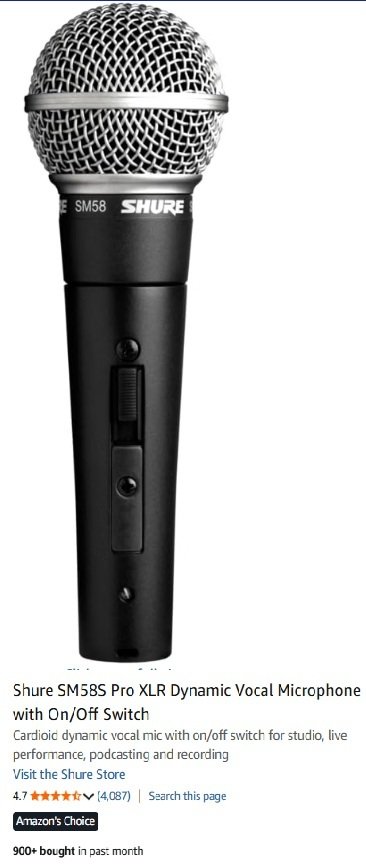
- A suitable USB or XLR microphone
- An audio interface for an XLR microphone
- A computer
- Closed-back headphones
- A pop filter
- A stable microphone stand
- Recording and editing software
- Basic acoustic treatment
- Secure file storage and backups
Begin with dependable equipment you can use confidently. A quiet room and good microphone technique often matter more than purchasing the most expensive microphone.
How to Find Legitimate Voice-Over Jobs Online
Voice actors find work through freelance marketplaces, casting platforms, production companies, marketing agencies, publishers, personal websites, and direct client outreach.
Ways to find voice-over opportunities include:
- Create a professional website with relevant demos.
- Join reputable freelance and voice casting platforms.
- Contact video production and marketing companies.
- Network with authors, course creators, and podcasters.
- Use professional networking websites.
- Ask satisfied clients for referrals.
- Share useful voice-over content online.
- Apply for projects that closely match your abilities.
Personalize every introduction. A brief message explaining how your voice fits a client’s project is usually more effective than sending the same generic message to everyone.
How to Avoid Voice-Over Job Scams
Remote job seekers should be careful when communicating with unknown clients. Research the company or individual before providing personal information or beginning a large project.
Possible warning signs include:
- Promises of unusually high pay for very little work
- Requests to purchase equipment from a specific unknown seller
- Overpayment followed by a request to return part of the money
- Pressure to provide banking or identity information immediately
- Unclear project details or usage terms
- Requests for extensive unpaid custom recordings
- Refusal to provide a written agreement
- Suspicious links or unexpected file attachments
A normal audition may require a short sample, but be cautious if someone asks you to record an entire script without payment. Use written agreements and trusted payment systems whenever possible.
Questions to Ask Before Accepting a Voice-Over Job
Collect complete project details before providing a final quote. This helps prevent misunderstandings and unexpected work.
- How many words are in the final script?
- Where will the recording be used?
- How long will it be used?
- Is the project paid per word, finished minute, finished hour, or project?
- What audio format is required?
- Does the client want edited or raw audio?
- Will the audio need to match a video?
- How many revisions are included?
- What is the delivery deadline?
- How and when will payment be made?
Frequently Asked Questions
Can beginners find voice-over jobs from home?
Yes. Beginners can pursue smaller projects while developing their skills, recording quality, and client experience. Training and a focused demo can improve the chances of finding suitable work.
Do I need a professional studio?
You need clean and consistent audio, but you may not need a commercial studio. Many voice actors work from treated rooms, closets, or purpose-built booths inside their homes.
Do voice-over jobs require acting experience?
Acting skills are valuable because voice-over work involves interpreting a script and communicating meaning. Formal acting experience is not required for every project, but ongoing training and practice can strengthen your performances.
Can I do voice-over work part-time?
Yes. Many people begin by practicing, auditioning, and completing projects during evenings or weekends. Keep enough flexibility in your schedule to meet client deadlines and handle revisions.
How do voice actors get paid?
Payment methods vary by client and platform. Rates may be based on the project, word count, finished minute, finished hour, recording session, or usage. Confirm the payment amount and terms in writing before beginning.
Which voice-over job is best for a beginner?
The best starting category depends on your voice, interests, acting skills, recording space, and ability to edit audio. Corporate narration, online videos, telephone prompts, and smaller e-learning projects may provide useful experience, but every job still requires professional-quality work.
Start Your Work-From-Home Voice-Over Career
Voice-over work includes much more than commercials and cartoons. Audiobooks, online courses, business presentations, podcasts, telephone systems, documentaries, and digital videos all create opportunities for home-based voice actors.
Choose one or two categories that match your natural voice and interests. Practice with appropriate scripts, create focused demos, and improve your recording space before applying for paid work.
With consistent practice, dependable service, and professional audio, you can gradually build experience and develop a rewarding voice-over business from home.
VoiceOvers Home Related Articles
- 10 Voice-Over Jobs You Can Do From Home
- AI Voices vs. Human Voice Actors: Which Is Better?
- Best Home Voice-Over Studio Equipment for Beginners
- How Much Can You Earn as a Freelance Voice-Over
- How to Create a Professional Voice-Over Demo That Gets Attention
- How to Market Your Voice-Over Services and Attract Clients
- How to Soundproof a Home Voice-Over Studio on a Budget
- How to Start a Voice-Over Career From Home | Beginner’s Guide
- Voice Acting Techniques for Clear and Engaging Narration
- Where to Find Legitimate Voice-Over Work Online