
Effective narration involves more than reading words correctly. A professional narrator understands the meaning of a script, connects with the intended audience, and uses vocal choices to keep listeners interested.
Whether you are recording an audiobook, commercial, documentary, online course, corporate presentation, or YouTube video, the following voice acting techniques can help your narration sound clearer, more natural, and more engaging.
Understand the Script Before Recording
Do not begin recording the moment you receive a script. Read it silently first and identify its purpose, audience, tone, and central message.
Ask yourself:
- Who is speaking?
- Who is listening?
- Why is this message being delivered?
- How should the listener feel?
- What action should the listener take?
- Which words contain the most important information?
A safety-training script should not be delivered like a retail commercial. An audiobook mystery requires different pacing and emotion than a software tutorial. Understanding the script helps you choose an appropriate performance.
Imagine That You Are Speaking to One Person
One of the most useful voice acting techniques is to imagine a specific listener. Instead of speaking to a microphone or a large anonymous audience, picture one person who needs to hear the message.
A commercial might be directed toward a customer with a particular problem. An online lesson may be addressed to a student learning a difficult subject. An audiobook narrator may be telling a story to an interested friend.
This mental image can make your performance feel more personal and conversational. It also reduces the temptation to use an unnatural announcer voice.
Mark Your Voice-Over Script
Script marking helps you plan a performance without making it rigid. Use simple marks to identify pauses, important words, changes in emotion, pronunciation notes, and breathing locations.
You might mark:
- Important words to emphasize
- Short and long pauses
- Changes in pace
- Emotional transitions
- Names or technical terms to research
- Places where a new idea begins
- Safe and natural breathing points
Avoid emphasizing too many words. When every phrase receives equal weight, nothing sounds important. Select only the words that clarify the meaning.
Warm Up Your Voice
A short vocal warm-up can improve clarity and help you begin a session with greater control. The goal is to prepare the voice gently, not to force extreme sounds.
Simple voice-over warm-up exercises
- Relax your shoulders, neck, face, and jaw.
- Take several quiet, comfortable breaths.
- Hum gently at an easy pitch.
- Use light lip trills without pushing.
- Read several sentences slowly and clearly.
- Practice difficult names and phrases from the script.
- Repeat tongue twisters carefully before increasing speed.
A warm-up should feel comfortable. Stop if an exercise causes pain, dizziness, or unusual strain.
Use Relaxed, Supported Breathing
Breath control helps you complete phrases smoothly and reduces gasping between sentences. Sit or stand with balanced posture so your breathing is not restricted.
Take quiet breaths before long thoughts and allow the air to support the sentence. Do not attempt to force an entire paragraph into one breath. Natural breathing often makes narration sound more human.
Breathing mistakes to avoid
- Raising and tightening the shoulders
- Taking loud breaths directly into the microphone
- Waiting until you are almost out of air
- Speaking too quickly to finish a sentence
- Holding your breath before every line
- Removing every breath during editing
Some breaths can remain in the final recording when they support a natural performance. Remove or reduce only the breaths that distract the listener.
Improve Your Pronunciation and Articulation
Clear articulation allows listeners to understand every sentence without making your speech sound stiff. Form consonants accurately, keep vowels open, and complete the ends of important words.
Begin slowly when practicing a difficult phrase. Increase your speed only after the words remain clear. Speeding through a tongue twister incorrectly reinforces mistakes rather than improving articulation.
Pronunciation preparation
Research unfamiliar names, brands, locations, abbreviations, and technical terms before recording. When possible, ask the client for an audio pronunciation or approved reference.
If a word has more than one accepted pronunciation, confirm which version the client prefers. This small step can prevent lengthy corrections later.
Control Your Speaking Pace
Pacing affects clarity, emotion, and listener interest. Speaking too quickly can make instructions difficult to follow, while an excessively slow pace may make the narration feel lifeless.
Adjust your pace according to the material. Technical explanations may need additional time. An exciting commercial can move faster. A dramatic story may alternate between rapid action and quiet reflection.
Ways to vary your pace naturally
- Slow down before an important idea.
- Pause briefly after key information.
- Move faster during energetic or urgent passages.
- Allow emotional moments enough time to register.
- Group words into complete thoughts instead of reading separately.
Record the same paragraph at several speeds. Listen to each version and decide which one best supports the message.
Use Pauses With Purpose
A pause gives the listener time to understand an idea and creates a natural rhythm. It can also build anticipation, signal a change in thought, or increase the emotional impact of a sentence.
Do not pause only where punctuation appears. Written sentences and spoken thoughts do not always follow the same rhythm. Pause where the meaning requires it.
Avoid making every pause the same length. A short pause can separate phrases, while a longer pause may indicate an important transition.
Emphasize Meaning, Not Individual Words
Narrators sometimes try to sound interesting by emphasizing random words. This can create a predictable rhythm that distracts from the message.
Instead, think about the idea behind each sentence. Ask which word changes the meaning or provides new information. Emphasize that word naturally through a slight change in pitch, pace, volume, or duration.
Emphasis does not always mean speaking louder. A quieter word, a slower phrase, or a pause before an important point can be equally effective.
Avoid the Repetitive Voice-Over Pattern
A common beginner habit is ending every sentence with the same upward or downward pitch. This repetitive pattern can make narration sound artificial.
Focus on complete thoughts rather than individual lines. Allow your pitch to reflect the meaning, emotion, and relationship between ideas.
Record a paragraph and listen only to the melody of your speech. If every sentence follows the same pattern, try another take with more natural variation.
Use Emotion Without Overacting
Engaging narration contains emotion, even when the subject is informational. The appropriate emotion may be curiosity, reassurance, excitement, concern, confidence, warmth, or seriousness.
Choose an emotional intention before recording. Instead of telling yourself to “sound happy,” imagine that you are sharing genuinely good news with someone. A specific situation usually creates a more believable performance than a general instruction.
Match the intensity to the project. An audiobook scene may allow a strong emotional performance, while a medical explanation may require calm reassurance and restraint.
Use Physical Expression While Recording
Listeners cannot see you, but physical expression can influence your voice. Facial expressions, posture, gestures, and eye focus can make a performance sound more connected.
A genuine smile may add warmth and brightness. Open posture can support confident delivery. Small hand gestures may help conversational timing.
Avoid large movements that change your distance from the microphone or create clothing and floor noise. Use enough physical expression to support the performance while maintaining consistent recording technique.
Maintain Consistent Microphone Technique
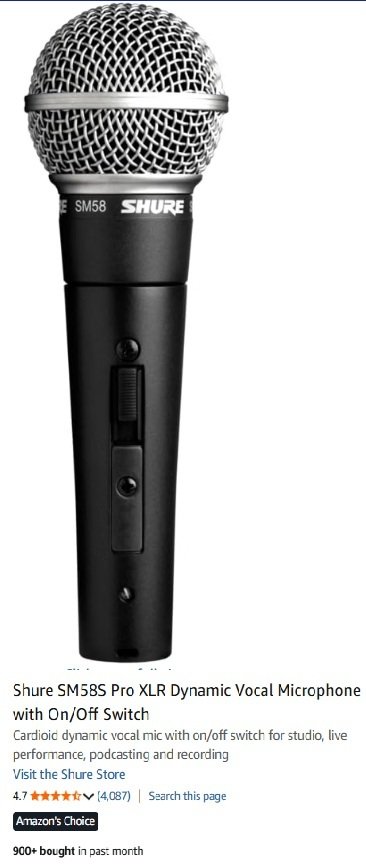
Good acting must be supported by dependable recording technique. Begin approximately six to twelve inches from the microphone and adjust according to your voice, microphone, and room.
Speak slightly across the microphone rather than directing every breath toward it. A pop filter can reduce bursts of air caused by letters such as P and B.
Maintain consistency by:
- Keeping the same distance from the microphone
- Using a stable microphone stand
- Marking your standing or sitting position
- Avoiding unnecessary head movement
- Monitoring your recording level
- Using the same room and equipment for corrections
If you move closer during a quiet line or farther away during a loud section, do so gradually. Sudden movements can create noticeable changes in tone and room sound.
Record Multiple Takes With Specific Changes
Repeating the same performance several times may not provide useful options. Give each take a clear purpose.
Try recording one version that is:
- Warm and reassuring
- Energetic and enthusiastic
- Relaxed and conversational
- Confident and authoritative
- Slower and more thoughtful
- More intimate and personal
These variations help you discover the strongest interpretation and give a client meaningful choices.
Learn to Take Voice Direction
Clients and directors may ask for changes using phrases such as “more conversational,” “less polished,” “warmer,” “more energy,” or “slower but not longer.”
Ask a brief question if a direction is unclear. Then make a noticeable but believable adjustment. The client should be able to hear the difference between takes.
Do not treat direction as criticism. It is information that helps align your performance with the client’s creative goal.
Develop Consistent Character Voices
Audiobooks, animation, and video games may require distinct character voices. Create differences through personality, rhythm, attitude, pitch, placement, and energy rather than relying only on extreme accents.
Make notes about each character’s vocal qualities and save short reference recordings. Review those samples before returning to the character in a later session.
Select voices that are comfortable enough to maintain. Stop if a character voice causes pain, severe tension, or continuing hoarseness.
Practice Cold Reading
Cold reading is the ability to perform unfamiliar material with little preparation. This skill is useful during auditions, live-directed sessions, and projects with tight deadlines.
To improve cold-reading ability:
- Look ahead while speaking.
- Identify punctuation and sentence structure quickly.
- Scan for names, numbers, and difficult words.
- Read complete thoughts instead of isolated words.
- Recover calmly when you make a mistake.
- Practice with several kinds of scripts.
Spend a few minutes each day reading unfamiliar material aloud. Use advertisements, articles, instruction manuals, stories, and product descriptions to develop flexibility.
Listen Critically to Your Recordings
Recording yourself is one of the most effective ways to improve. Listen through closed-back headphones and evaluate both the performance and audio quality.
Ask these questions:
- Can every word be understood?
- Does the performance sound natural?
- Is the pace appropriate?
- Are important ideas emphasized?
- Does the emotion match the message?
- Are there distracting breaths or mouth sounds?
- Does the volume remain consistent?
- Can I hear background noise or room echo?
Listen once while reading the script and again without looking at it. The second review helps you experience the recording as a listener rather than as the performer.
Use a Simple Daily Voice-Acting Practice Routine
Short, consistent practice is more useful than an occasional long session. A daily routine can help you improve without overwhelming your voice.
- Relax your posture, shoulders, jaw, and face.
- Complete a gentle breathing and vocal warm-up.
- Practice one short articulation exercise.
- Read a new script silently and mark important ideas.
- Record two or three interpretations.
- Listen to the recordings through headphones.
- Choose one specific skill to improve in the next take.
Save some of your practice recordings. Comparing samples over several weeks can reveal improvements that may be difficult to notice from day to day.
Common Narration Mistakes
- Reading words without understanding the message
- Using an exaggerated announcer voice
- Speaking too quickly
- Giving every sentence the same rhythm
- Emphasizing too many words
- Ignoring punctuation and thought changes
- Recording without researching pronunciations
- Moving constantly around the microphone
- Using emotion that does not fit the subject
- Removing every breath during editing
- Continuing to speak when the voice feels strained
Frequently Asked Questions
How can I make my voice-over sound more natural?
Imagine speaking to one specific person, understand why you are delivering the message, and focus on complete thoughts. Avoid forcing an announcer voice unless the project specifically requires one.
How can I improve my narration voice?
Practice breathing, articulation, pacing, script interpretation, and microphone technique. Record yourself regularly and identify one skill to improve during each practice session.
Should I speak slowly when recording narration?
Speak at a pace appropriate for the subject and audience. Educational or technical material may need a slower pace, while promotional material may require more energy. Clarity is more important than speed.
How do voice actors avoid sounding like they are reading?
Voice actors identify the speaker, listener, purpose, and emotional intention of the script. They communicate the meaning rather than concentrating only on pronouncing each word.
Should I remove all breaths from a voice-over recording?
No. Natural breaths can help a performance sound human. Reduce breaths that are excessively loud or distracting, but avoid editing that makes the narration sound unnatural.
How often should a beginner practice voice acting?
A short daily practice session can help develop consistency. Focus on comfortable, deliberate practice rather than forcing the voice through long or tiring sessions.
Develop a Voice That Listeners Want to Follow
Clear and engaging narration begins with understanding the message. When you know who you are speaking to and why the words matter, your vocal choices become more natural.
Use relaxed breathing, purposeful pauses, clear articulation, appropriate emotion, and consistent microphone technique. Record several interpretations and listen critically to the results.
With regular practice, you can develop narration that sounds professional while still preserving the individual qualities that make your voice memorable.
VoiceOvers Home Related Articles
- 10 Voice-Over Jobs You Can Do From Home
- AI Voices vs. Human Voice Actors: Which Is Better?
- Best Home Voice-Over Studio Equipment for Beginners
- How Much Can You Earn as a Freelance Voice-Over
- How to Create a Professional Voice-Over Demo That Gets Attention
- How to Market Your Voice-Over Services and Attract Clients
- How to Soundproof a Home Voice-Over Studio on a Budget
- How to Start a Voice-Over Career From Home | Beginner’s Guide
- Voice Acting Techniques for Clear and Engaging Narration
- Where to Find Legitimate Voice-Over Work Online